
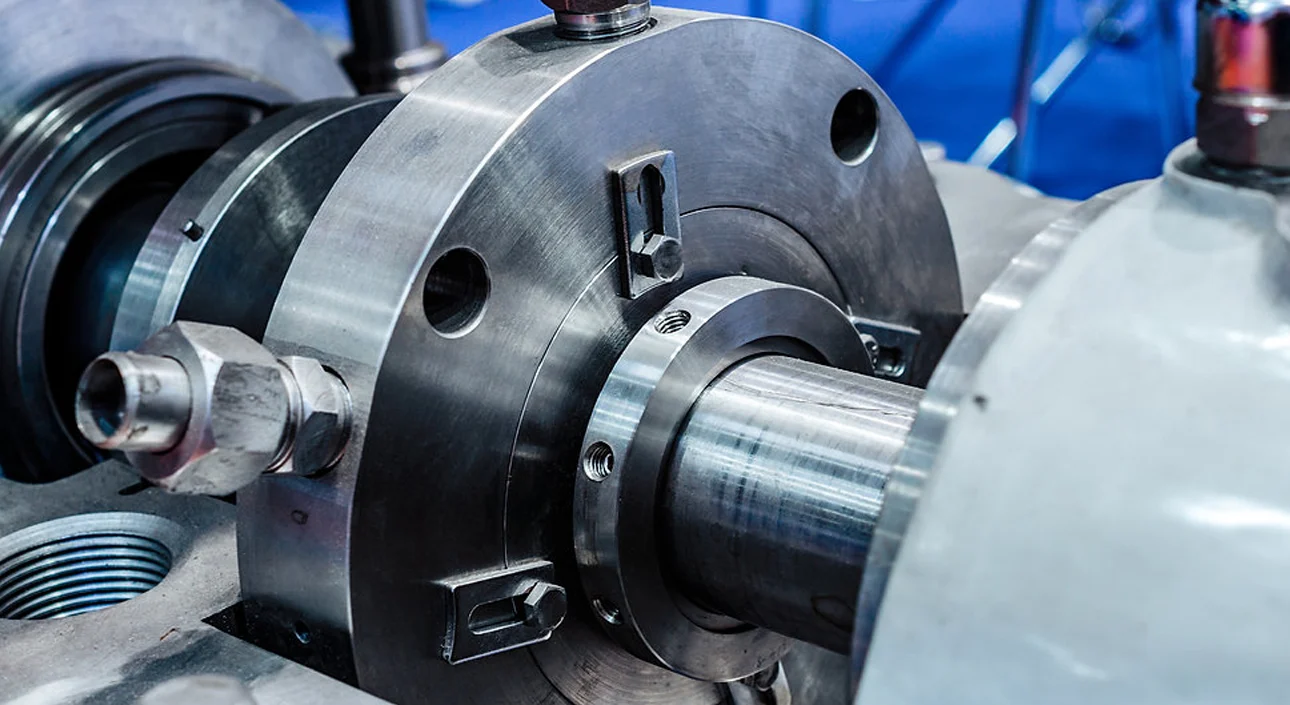
Pumps are widely used in industrial processes to transfer liquids efficiently and safely. However, ensuring leak-free operation while handling various fluids under pressure is a major challenge. Mechanical seals play a crucial role in maintaining the integrity, safety, and efficiency of pump systems by preventing fluid leakage and protecting internal components.
As a leading manufacturer and exporter of sealing solutions, Lineproof Engineering designs high-performance mechanical seals that enhance pump reliability across diverse industrial applications.
What is a Mechanical Seal in a Pump?
A mechanical seal is a precision sealing device installed between the rotating shaft and stationary pump housing. It prevents process fluid from leaking out while the shaft rotates at high speed. The seal consists of two primary faces—one rotating and one stationary—pressed together to create a tight sealing interface.
This design ensures controlled sealing with minimal friction and high operational stability.
Why Mechanical Seals Are Important in Pumps
1. Prevents Fluid Leakage
The primary function of a mechanical seal is to stop fluid from escaping the pump. Leakage can lead to product loss, contamination, and unsafe working conditions. Mechanical seals provide a reliable, leak-proof barrier that ensures smooth and secure pump operation.
2. Enhances Pump Efficiency
Mechanical seals reduce friction compared to traditional packing methods. Lower friction means less energy loss, smoother shaft rotation, and improved overall pump efficiency, which contributes to better process performance.
3. Improves Equipment Reliability
Continuous operation is critical in industrial plants. Mechanical seals are designed to withstand pressure, temperature, and rotational stress, ensuring consistent performance and reducing unexpected pump failures.
4. Protects Against Contamination
In many industries such as pharmaceuticals, food processing, and chemicals, maintaining product purity is essential. Mechanical seals prevent external contaminants from entering the pump and keep the process fluid clean and uncontaminated.
5. Reduces Maintenance and Downtime
Unlike conventional gland packing, mechanical seals require minimal adjustment and maintenance. Their long service life helps reduce frequent shutdowns, saving time and operational costs while increasing plant productivity.
6. Handles High Pressure and Temperature Conditions
Pumps often operate under extreme conditions. Mechanical seals are engineered using advanced materials that can handle high pressure, elevated temperatures, and aggressive chemicals without compromising performance.
7. Enhances Safety and Environmental Protection
Leakage of hazardous or flammable fluids can pose serious safety risks. Mechanical seals help contain these fluids within the pump system, protecting personnel, equipment, and the environment from potential hazards.
8. Extends Pump Life
By minimizing leakage, vibration, and shaft wear, mechanical seals help prolong the life of pump components such as bearings and shafts. This results in reduced repair costs and improved long-term equipment durability.
Applications of Mechanical Seals in Pumps
Mechanical seals are essential in a wide range of pump applications across industries, including:
- Chemical and Petrochemical Processing
- Oil and Gas Refineries
- Pharmaceutical Manufacturing
- Food and Beverage Processing
- Water and Wastewater Treatment
- Power Generation Plants
These industries rely on mechanical seals to maintain efficient and safe fluid handling operations.
Conclusion
Mechanical seals are a vital component in pump systems, ensuring leak prevention, operational efficiency, equipment protection, and environmental safety. Their advanced design and durability make them the preferred sealing solution for modern industrial pumps.
Selecting the right mechanical seal based on fluid type, pressure, temperature, and operating conditions is essential to achieve optimal pump performance and long-term reliability.